Posted inMaine Coon Pet
Perfect guide for imperfect dog owners!

Perfect guide for imperfect dog owners! Are you a dog owner who feels like…



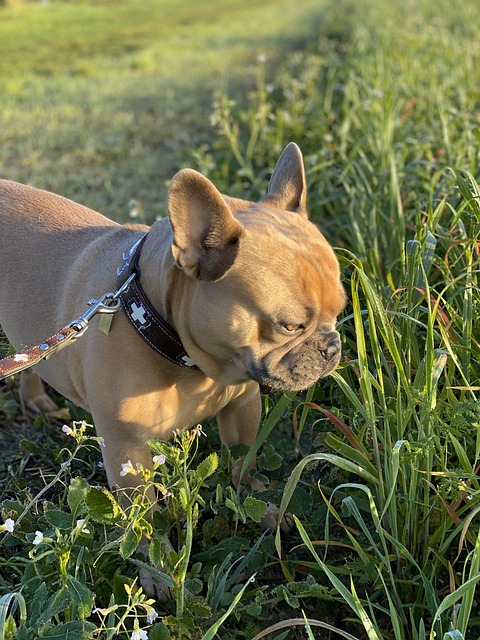
We will know why dogs eat grass in this article. Dogs are known for their quirky behaviors, and one of the most common yet perplexing habits is eating grass. Have you ever wondered why dogs, despite being domesticated pets, indulge in munching on grass? In this article, we’ll delve into this intriguing canine behavior, exploring the various theories behind it, its potential risks, and what you should do if your furry friend is a grass enthusiast.
Dogs share their genetic heritage with wolves, and like their wild counterparts, they have maintained some ancestral instincts. One of these instincts is the consumption of plant matter, including grass. In the wild, wolves consume plants to supplement their diet and help with digestion. This behavior may have carried over to our modern canine companions.
Some experts believe that dogs may eat grass when they have a nutritional deficiency. They may be trying to compensate for missing vitamins, minerals, or fiber in their regular diet. This theory suggests that dogs instinctively seek out the nutrients they lack.
Another common theory is that dogs eat grass to help with their digestion. Grass can act as a natural laxative, aiding in the removal of indigestible materials from their stomachs. This could be especially beneficial when they have an upset stomach.
As mentioned earlier, dogs’ ancestors, like wolves, consumed plant matter as part of their diet. This behavior may be deeply ingrained in their genetics, and even though modern dogs have adapted to a primarily carnivorous diet, the instinct to eat grass may persist.
In most cases, eating a small amount of grass is not harmful to dogs. However, there are exceptions. If the grass they consume has been treated with pesticides or other chemicals, it can pose serious health risks. In such cases, it’s crucial to monitor your dog and seek veterinary assistance if they show signs of poisoning.
It’s essential to be aware of any unusual behavior in your dog. If they are eating an excessive amount of grass or doing so frequently, it could indicate an underlying health issue. Other signs of illness may include vomiting, diarrhea, or lethargy. If you observe these symptoms, consult your vet promptly.
If your dog enjoys nibbling on grass and it doesn’t adversely affect their health, there’s no need to discourage this behavior. However, ensure that the grass they have access to is safe, pesticide-free, and clean. You can also consider providing alternative sources of fiber in their diet to address potential nutritional deficiencies.
Not all types of grass are safe for dogs to consume. Some grass varieties can be toxic and lead to adverse reactions. While it’s impossible to list all the safe and toxic grasses, consulting your vet or a local horticultural expert can help you identify the plants in your area and make informed decisions regarding your dog’s environment.
If you’re concerned about your dog’s grass-eating habits, it’s always a good idea to consult with your veterinarian. They can assess your dog’s overall health, diet, and behavior to determine if there are any underlying issues that need attention.
In conclusion, the act of dogs eating grass is a natural and often harmless behavior rooted in their genetic makeup. It can be a sign of nutritional deficiency or a way to aid digestion. While occasional grass consumption is generally safe, it’s essential to be vigilant and ensure the grass is safe for your furry friend. Always consult your vet if you have concerns about your dog’s health or behavior.
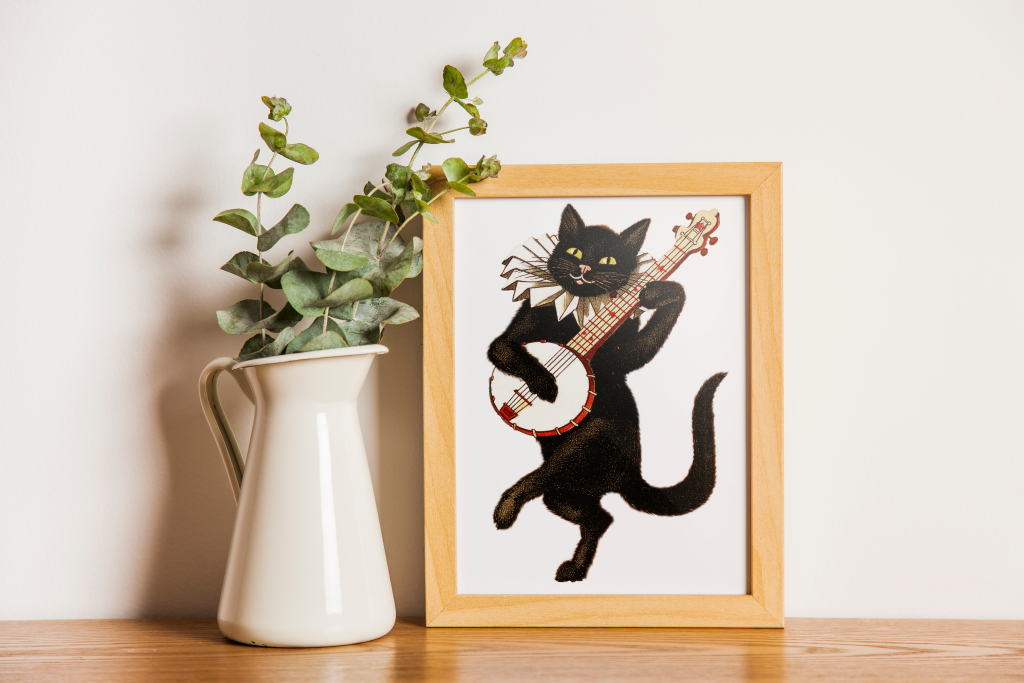
Welcome to the enchanting world of Happy Cat Metal Wall Art and Decor, where the fusion of art and interior design takes center stage. Art has a profound impact on the ambiance and character of a space, making it an integral element of any home or office decor. In this article, we’ll explore the captivating realm of Happy Cat Art and how it can elevate the aesthetics and mood of your living or working space.
Happy Cat Art Prints are a delightful fusion of feline charm and artistic expression. These prints are designed to resonate with cat lovers and art enthusiasts alike. They capture the essence of cats in various settings, from playful antics to serene repose, offering a range of emotions to adorn your walls.
Metal Wall Art is a versatile and enduring medium for artistic expression. It combines the durability of metal with the finesse of art to create pieces that stand the test of time. Whether it’s a cozy home or a professional office, metal wall art complements various spaces with its elegance and durability.
When it comes to sourcing your Happy Cat Metal Wall Art, WallArtsLV is a name you can trust. They offer an extensive collection of Happy Cat Art, ensuring that you find the perfect piece to match your home’s decor or office setting. With a commitment to quality and customer satisfaction, WallArtsLV has become a go-to destination for art enthusiasts.
Happy Cat Art at WallArtsLV is crafted with the utmost care and attention to detail. Only high-quality materials are used in the production, ensuring that each piece is a work of art in its own right. The craftsmanship and precision that go into creating these prints are a testament to the dedication of the artists.
Personalization is a hallmark of WallArtsLV. The option to customize your Happy Cat Art allows you to create a piece that resonates with your unique preferences. This level of personalization ensures that your artwork speaks to your heart and soul.
Art has a remarkable ability to influence mood and atmosphere. Happy Cat Art brings an element of joy and cheerfulness to any space. Its playfulness and charm can instantly uplift the ambiance, creating a sense of happiness and positivity.
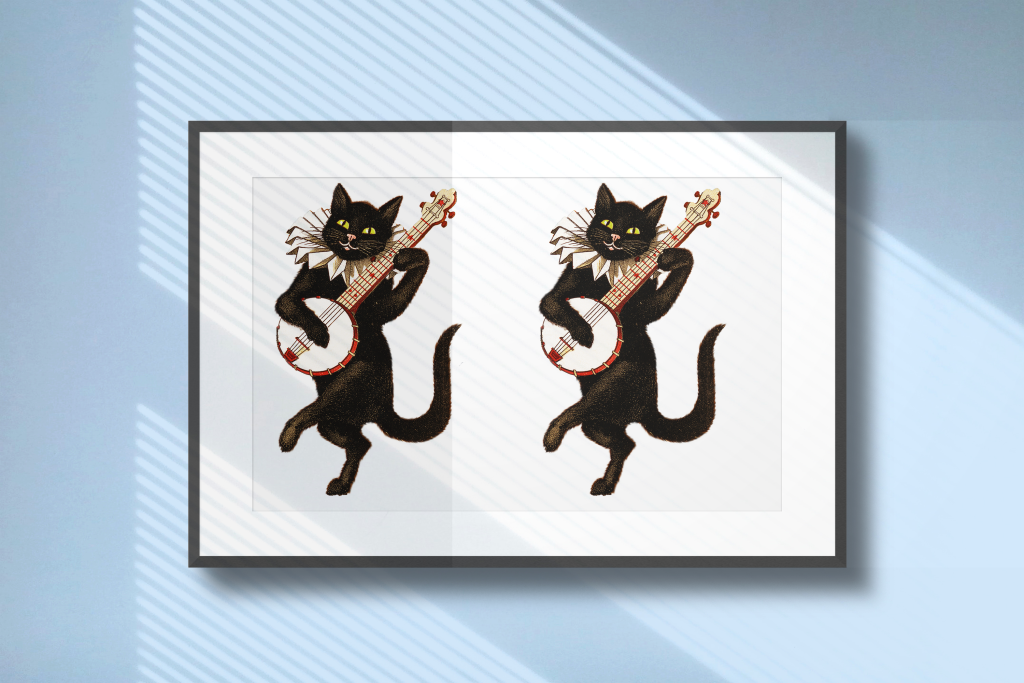
Selecting the perfect Happy Cat Art for your space is a matter of personal taste and consideration. Factors like size, color, and design should be carefully evaluated to ensure a harmonious fit with your existing decor. WallArtsLV provides a wide selection, making it easier for you to find the ideal piece.

PAWSMART Pet Grooming Kit: The Ultimate Pet Grooming Solution for Happy and Healthy Pets
Pet grooming is an essential aspect of responsible pet ownership. Keeping your furry friends clean and well-groomed not only makes them look adorable but also ensures their health and well-being. In this guide, we’ll explore the PAWSMART Pet Grooming Kit, a revolutionary tool that makes pet grooming a breeze.
The PAWSMART Pet Grooming Kit is a complete package, including a dog vacuum for shedding grooming, 6 pet groomer tools, a low-noise dog hair brush vacuum cleaner, and dog clippers for cats and other pets. It’s a one-stop solution for all your pet grooming needs.
Many pets get anxious during grooming. The PAWSMART kit features low-noise technology, ensuring a stress-free grooming experience for both pets and their owners.
Whether you have a dog, a cat, or any other furry companion, this kit is designed to cater to the grooming needs of all animals.
| Component | Purpose |
|———————-|————————————|
| Grooming Tools | Ensure a clean and healthy coat |
| Vacuum Cleaner | Collects shed hair and debris |
| Low-Noise Technology | Reduces stress during grooming |
| Clippers | Trim your pet’s fur with precision |
All Details
The PAWSMART Pet Grooming Kit comprises the following components:
The PAWSMART Pet Grooming Kit is a must-have for pet owners. It simplifies grooming, reduces stress for your pet, and keeps your home clean. Your furry friend will thank you for investing in their well-being.
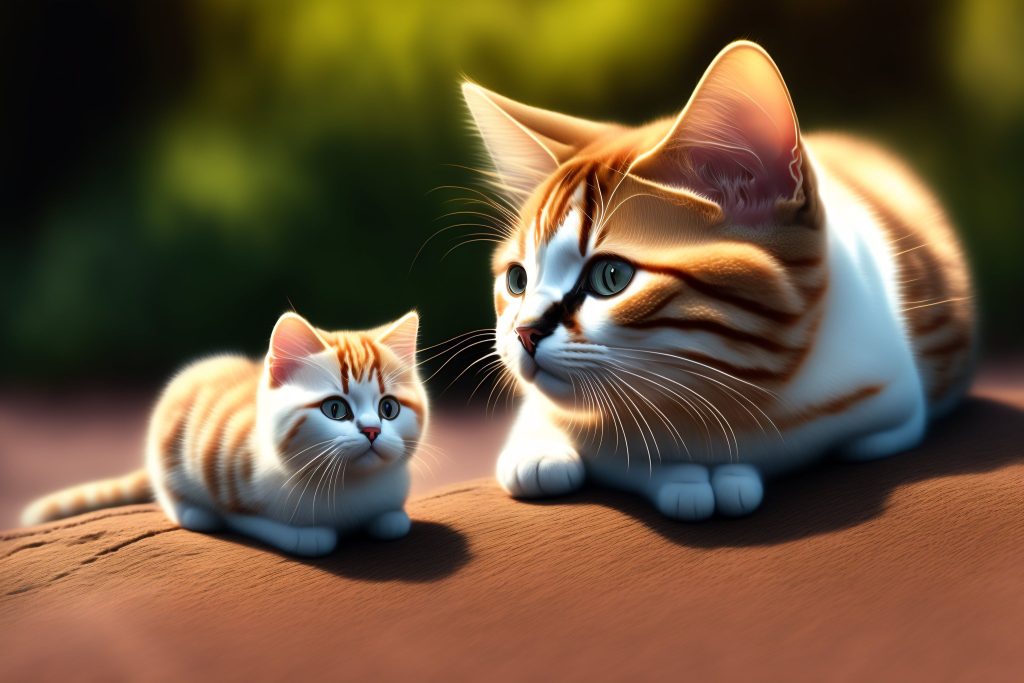
Why Do Cats Eat Their Babies? Cats are mysterious creatures, and their behavior often leaves us intrigued and puzzled. One such perplexing behavior that cat owners may encounter is the mother cat eating her own kittens. It’s a distressing sight and raises a lot of questions. In this article, we will delve deep into this unusual behavior and try to understand why cats eat their babies.
1.1 Understanding the Natural Instincts
To comprehend why mother cats sometimes resort to eating their own kittens, we must look into their natural instincts. Cats are predatory animals, and they have evolved over thousands of years with a strong drive to ensure the survival of their species.
In the wild, where resources are scarce, a mother cat might eat a dead or weak kitten to eliminate any potential threat to the rest of her litter. This behavior can be seen as a way to cull the weakest members of the litter to increase the chances of survival for the stronger ones.
Just like humans, cats can experience stress and anxiety. When a mother cat is under excessive stress or feels threatened, her maternal instincts may become disrupted. This can lead to erratic behavior, including the consumption of her own kittens.
Stressors can vary, from changes in the environment to disturbances by other animals or humans. Providing a calm and secure environment for the mother cat during pregnancy and nursing can help mitigate this risk.
Health problems can also be a contributing factor to a mother cat eating her kittens. If the mother is unwell or suffering from a nutritional deficiency, she may perceive her kittens as a source of nourishment. In such cases, it’s essential to address the underlying health issues and ensure the mother cat receives the proper care and nutrition.
Now that we’ve explored the reasons behind this behavior, let’s discuss how to prevent it.
Providing a safe and stress-free environment is crucial during the pregnancy and nursing periods. Keep the mother cat in a quiet, comfortable, and secure space where she can care for her kittens without feeling threatened. Minimize disturbances, and ensure she has a cozy nesting area.
2.2 Proper Nutrition
Proper nutrition is vital for both the mother cat and her kittens. Ensure that the mother receives a balanced diet formulated for pregnant and nursing cats. Nutrient deficiencies can trigger unusual behaviors, including cannibalism.
If you notice any signs of stress or unusual behavior in the mother cat, seek professional veterinary advice immediately. Early intervention can prevent the situation from escalating, and the veterinarian can recommend appropriate treatments or interventions.
In conclusion, while the idea of a mother cat eating her kittens may be distressing, it’s essential to understand the underlying reasons behind this behavior. Cats are driven by natural instincts, and various factors, including stress and health issues, can lead to such actions.
As responsible cat owners, our role is to create a safe and nurturing environment for our feline companions. By understanding and addressing the potential triggers for cannibalism, we can help ensure the well-being of both mother cats and their kittens.