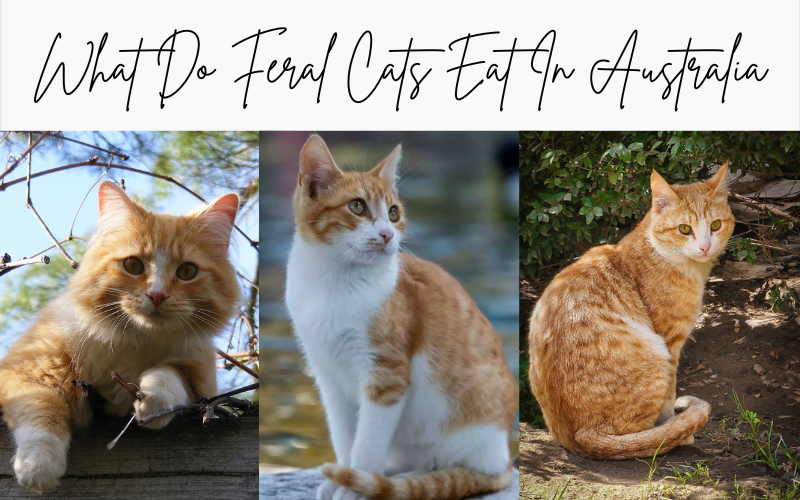
What do feral cats eat in Australia? 7 Shocking Truths. Discover their devastating diet impact on native wildlife, hunting habits, and ecological consequences. What do feral cats eat in Australia is...
What do feral cats eat in Australia? 7 Shocking Truths. Discover their devastating diet impact on native wildlife, hunting habits, and ecological consequences.
Advertisement
Understanding the Feral Cat Crisis Down Under
Australia evolved in remarkable isolation long before any human footsteps crossed its shores. Our unique marsupials, monotremes, and ground birds developed without facing efficient placental predators. When European ships finally arrived, they brought companion animals that soon slipped into the wild and multiplied rapidly. Those once docile pets transformed into apex predators overnight in ecosystems completely unprepared for them. It feels almost surreal to realize that our love for furry friends accidentally triggered a chain reaction of extinction. You can walk through almost any Australian habitat and see the subtle signs of their presence everywhere. Scratched bark near burrows, disturbed soil around watering holes, and abandoned nests tell a grim story. Conservation teams work tirelessly to track these movements while trying to protect vulnerable populations. Every data point collected reveals a deeper understanding of how these cats navigate our changing environment. We hold both the responsibility and the opportunity to rewrite this narrative for future generations.What do feral cats eat in Australia
Every wildlife manager faces this exact question when designing protection strategies for threatened species. Their dietary habits shift constantly depending on habitat type, seasonal changes, and prey availability across vast territories. You cannot simply categorize their meals into neat little boxes because survival drives constant adaptation. These opportunistic hunters will chase anything that moves, stays still too long, or appears weak enough to catch. Understanding their feeding patterns gives us the critical insight needed to build effective conservation barriers.The Hunting Instinct: What Drives Their Diet
These felines possess biological programming that turns them into highly efficient killing machines from birth. Their retractable claws, exceptional night vision, and lightning reflexes make them nearly unstoppable in natural environments. I once watched a stray cat stalk a lizard in my backyard, marveling at the pure focus in its eyes. That same intense drive fuels their wild counterparts across millions of square kilometers of rugged terrain. They do not hunt out of malice but out of pure evolutionary necessity that never shuts off. Surplus killing behavior adds another layer of complexity to their impact on native ecosystems. You have probably noticed how domestic cats sometimes catch mice they never actually consume for nutrition. That same instinct manifests in the wild with devastating consequences for small animal populations. A single cat can eliminate dozens of vulnerable creatures during a single productive hunting season. We must acknowledge this biological reality if we ever hope to manage their numbers responsibly.Native Mammals: Primary Prey for Australian Feral Cats
Small ground dwelling mammals form the absolute backbone of their daily survival strategy across the continent. Bilbies, bettongs, and native rodents frequently appear on menus because they lack natural escape mechanisms. These gentle creatures evolved in a world where danger came mainly from birds of prey or snakes above. Suddenly facing a silent, low profile predator completely overwhelmed their ancient survival tactics. Watching their populations decline breaks my heart every single time I visit a conservation sanctuary. Protective fencing projects have proven incredibly successful in creating safe havens for these threatened species. You can witness immediate recovery in animal numbers when cats are completely excluded from designated areas. Those fenced reserves become living proof that intervention actually works when properly implemented. The contrast between protected zones and open bushland highlights the stark reality of unchecked predation. Every successful breeding program relies heavily on keeping these efficient hunters permanently separated from vulnerable prey.Birds, Reptiles, and Amphibians on the Menu
Australian ecosystems host countless ground nesting birds that face immediate danger from wandering felines. Species like plains wanderers, quails, and malleefowl build simple nests directly on exposed soil. Those vulnerable eggs and chicks offer effortless nutrition to hungry cats patrolling familiar territories. You might walk past what looks like an empty nesting site and realize a quiet tragedy already occurred. The silence left behind speaks volumes about the hidden toll these predators exact on avian populations. Reptiles and amphibians provide essential moisture and nutrients during harsh drought periods when larger prey disappears. Skinks, geckos, and desert frogs become crucial survival meals that sustain feral populations through extreme heat. Water sources naturally concentrate thirsty animals, creating deadly hunting grounds for patient predators waiting nearby. That seasonal vulnerability amplifies predation pressure during the most environmentally stressful months of the year. We simply cannot ignore how every dry summer intensifies the struggle for native wildlife survival.Insects and Small Creatures: Supplemental Food Sources
Resourceful predators will absolutely consume grasshoppers, beetles, spiders, and worms when larger options vanish. You might assume insects cannot possibly sustain a medium sized carnivore through extended periods. However, their remarkable metabolism allows them to extract maximum energy from nearly any protein source available. That incredible dietary flexibility explains why they survive in environments that would starve more specialized hunters. Their ability to thrive on minuscule meals makes complete eradication practically impossible without coordinated effort. Conservation strategies must account for this incredible adaptability when planning population management programs. You cannot simply remove one food source and expect hungry predators to naturally disappear from the landscape. They will effortlessly shift hunting focus to whatever remains abundant in their immediate territory. That relentless resilience demands smarter, more persistent control methods that actually work long term. We need ongoing commitment rather than quick fixes that fade after a few successful trapping seasons.
Scavenging and Human Associated Food Sources
Urban expansion and rural settlements inadvertently provide reliable buffets for these intelligent opportunistic hunters. Rubbish bins, compost piles, and abandoned campgrounds attract cats seeking easy nutrition without hunting effort. You probably leave out food waste thinking it will decompose naturally in your backyard environment. Unfortunately, those accessible meals draw predators closer to human dwellings and increase dangerous wildlife encounters. Our everyday habits directly influence how felines distribute themselves across both rural and suburban landscapes. Proper waste management and secured storage containers drastically reduce artificial attraction to residential areas. Community education programs teach residents simple practices that keep predators away from vulnerable native corridors. You can transform your property into a wildlife safe zone by making tiny adjustments to daily routines. Those small collective actions create meaningful barriers that naturally discourage cat settlement near conservation areas. Every responsible choice we make ripples outward to protect ecosystems far beyond our immediate fences.Seasonal Variations in Feral Cat Diets
Extreme climate patterns force constant dietary adjustments throughout the entire calendar year across different regions. Wet seasons bring abundant vegetation growth that supports thriving prey populations for opportunistic hunters. You will notice healthier coat conditions and successful breeding attempts during these nutrient rich periods. Drought conditions completely reverse that abundance and force desperate predators to expand their hunting ranges dramatically. Those seasonal shifts create predictable patterns that wildlife managers carefully track for intervention timing. Understanding these cyclical feeding behaviors allows conservation teams to deploy resources with maximum strategic impact. You can time protective measures precisely when vulnerable species face their greatest predation risks. Coordinating baiting programs, trapping operations, and fencing maintenance around seasonal changes dramatically improves success rates. That proactive approach replaces reactive panic with measured, scientifically informed wildlife protection. We finally learn to work with natural rhythms rather than fighting against them blindly.The Devastating Impact on Endangered Species
Every meal consumed by these predators carries profound consequences for species already teetering on extinction. Historical records clearly document over twenty unique mammal disappearances directly linked to introduced cat populations. You can trace the tragic timeline of native wildlife decline alongside expanding feral territories across the continent. Those irreversible losses represent genetic treasure chests we will never recover despite our deepest conservation efforts. The emotional weight of knowing we accidentally triggered this crisis drives urgent modern protection initiatives. Localized eradication programs show remarkable promise when properly funded and community supported across targeted regions. You can witness population rebounds in threatened species when predator pressure is systematically removed from critical habitats. Success stories from islands and fenced reserves prove that intervention absolutely works when executed correctly. We must scale these proven methods to mainland environments despite the obvious logistical challenges ahead. Hope remains alive as long as dedicated teams continue pushing boundaries for wildlife survival.Management Strategies and Conservation Efforts
Modern wildlife management combines traditional trapping with cutting edge technology to achieve meaningful population control. Remote camera networks track movement patterns, identify high risk corridors, and monitor intervention effectiveness continuously. You can analyze real time data to adjust protection zones before vulnerable populations suffer irreversible damage. Guardian livestock programs successfully deter feline intrusion from agricultural properties and adjacent conservation lands. That innovative approach proves working with nature often outperforms aggressive eradication tactics alone. Community involvement remains the absolute foundation of any successful long term wildlife protection strategy. You can volunteer for local monitoring programs, donate essential supplies to field teams, or simply spread awareness online. Every individual contribution adds measurable momentum to broader conservation campaigns operating across vast territories. We finally recognize that protecting native species requires collective action rather than isolated government initiatives. Shared responsibility transforms overwhelming ecological challenges into manageable community missions.What Can You Do to Help Protect Native Wildlife
Keeping domestic cats securely indoors during nighttime hours dramatically reduces accidental breeding with wild populations. You might love letting your pet explore the yard, but those unsupervised outings create unintended ecological damage. Securing rubbish bins, removing outdoor food bowls, and planting dense native shrubs create natural deterrents around your home. Those simple adjustments transform ordinary properties into wildlife friendly zones that actively support conservation goals. Your everyday choices directly shape the survival chances of vulnerable native creatures nearby. Educating neighbors and local businesses about feral predator impacts builds stronger community protection networks across regions. You can organize neighborhood meetings, distribute informational brochures, or share verified resources through social media platforms. Collective awareness naturally reduces careless practices that accidentally support unwanted cat populations in sensitive areas. We all share the responsibility to protect ecosystems that have sustained unique Australian life for millions of years. Together we can restore natural balance and ensure thriving wildlife for future generations.🐾 Struggling to find the perfect high protein food for your Maine Coon in Melbourne?
If you've ever stood in the pet aisle overwhelmed by choices, wondered whether premium brands are worth the price, or questioned if your gentle giant is getting enough muscle-supporting nutrition, you're not alone.
We've researched and tested the top high protein cat foods available in Melbourne specifically formulated for Maine Coons' unique size, energy needs, and digestive sensitivities.
Read: Best 7 High Protein Maine Coon Cat Food Melbourne AU →Because your majestic Maine Coon deserves nutrition that matches their grand personality — and we've made finding it simple.
FANCY FEAST Adult Wet Cat Food Classic Poultry
Advertisement
Looking for a cat in Australia?
Browse cats and kittens for sale near you — 100% free listings.