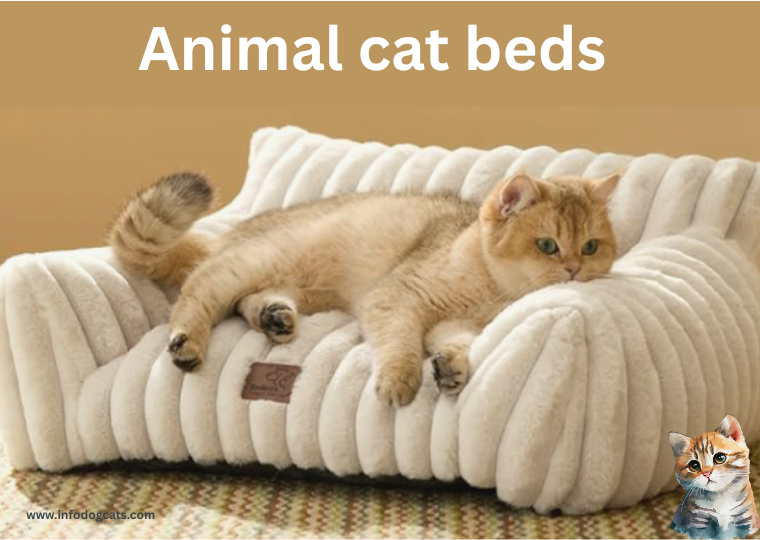
Plenty of cats ignore an expensive bed and sleep in the box it came in. Here's what cats look for in a resting place, the main types of cat bed and who they suit, where to put a bed so it gets used, and how to keep beds clean and safe.
Every cat owner knows the story. You buy a beautiful cat bed, and your cat sleeps in the cardboard box it came in, on the laundry pile, or on your keyboard. The good news is that cats aren't being contrary. They choose resting places for reasons that make sense, and once you understand them, it's much easier to choose a bed your cat will actually use.
Advertisement
This guide covers what cats look for in a resting place, the main types of cat bed and which cats they suit, where to put a bed, beds for kittens, seniors and Australian summers, heated beds and window perches, and how to keep beds clean and safe.
What cats look for in a resting place
Cats spend a large part of every day resting and sleeping, so where they rest matters to them. Most cats look for some combination of these things.
Security
The American Association of Feline Practitioners and the International Society of Feline Medicine list a safe place as the first of five "pillars" of a healthy environment for cats. Cats prefer to avoid a threat rather than confront it, and they like private, secure spots where they can rest without being disturbed. These spots are often raised, or enclosed on several sides. That's why so many cats choose boxes, wardrobes, cupboards and the top of the fridge.
Height
Many cats feel safest when they can see their surroundings from above. A bed on a shelf, a window sill or the top of a cat tree often gets used far more than the same bed on the floor.
Warmth
Cats love warmth. They'll follow a patch of sun around the house, curl up on a warm laptop, or sleep pressed against a person. A bed in a cold, draughty corner is unlikely to be popular in winter.
Familiar smells
Cats rely heavily on scent. A brand-new bed smells unfamiliar, while your clothes and the sofa smell of you and of the cat itself. That's one reason cats often prefer laundry to a new bed.
Choice
Cats like to move between resting places over the day, following the sun, the household's activity and their own mood. The AAFP and ISFM guidelines recommend providing several separate key resources for cats, including resting places. One bed is rarely enough.
Types of cat bed
Cave or igloo beds
Enclosed beds with a single entrance give a strong sense of security. They suit shy cats, cats in busy households, and cats that like to hide. Many cave beds have a removable roof, so they can be turned into an open bed in summer.
Donut and bolster beds
Round beds with raised, cushioned sides let a cat curl up and rest its head on the edge. They suit cats that sleep curled up and like to feel snug without being fully enclosed. Look for a removable, washable cover.
Flat mats and cushions
Simple mats suit cats that stretch out to sleep, and they're easy to put in a window, on a shelf or on a chair. They're also cheap and easy to wash, so you can put several around the house.
Cat houses
Small houses or boxes, sometimes with a scratching surface or a sleeping platform on top, combine a hideaway with a perch. They're useful in a catio or enclosure, where a cat needs shade and shelter. See our guide to cat enclosures and catios.
Beds on cat trees
Many cat trees have a platform, hammock or enclosed box built in. For many cats, the top platform of a sturdy cat tree is the best bed in the house, because it offers height, a view and security. See our guide to cat scratching posts and cat trees.
Window perches and hammocks
Window perches attach to a window with suction cups or sit on the sill, and give your cat a warm, sunny spot with a view. They're especially good for indoor cats, because watching birds and passers-by is entertainment as well as rest.
Check the weight limit and fit carefully. Suction cups need a clean, smooth, flat pane of glass, and can lose grip over time, especially in heat. Check the perch regularly, and choose a model with support underneath for heavy cats.
Radiator and heater beds
Hammock-style beds that hook onto a radiator are popular in cold climates, but most Australian homes don't have hydronic radiators. Never hang a bed on a portable heater or column heater that isn't designed for it.
Heated beds and pads
Electric heated pads made for pets can be a comfort for older, thin or hairless cats in winter. If you use one:
- choose a low-voltage product designed for pets, with a chew-resistant cord
- make sure the cat can move off the heat easily, so it doesn't overheat
- never put a heat pad under a cat that can't move away, such as a sick or very old cat that can't get up easily
- check the cord regularly for damage.
Self-warming beds, which reflect your cat's own body heat with a foil or thermal layer, are a safe alternative with no electricity involved.
Cooling mats and elevated beds
In an Australian summer, a cat may ignore its usual bed and lie on tiles, in the bath or on a cool floor. A raised mesh bed, which lets air circulate underneath, or a cooling mat in a shaded spot can help. Keep water nearby.
Dog beds and shared beds
Many beds are sold as suitable for cats and small dogs. They work fine for cats as long as the size and shape suit your cat. If a cat and dog share a bed, make sure the cat also has a raised place the dog can't reach.
Choosing the right bed for your cat
Watch where your cat already sleeps
Your cat's current choices are the best guide. Does it curl up or sprawl? Does it pick high places or hidden ones? Does it follow the sun? Choose a bed that offers the same thing, and put it where your cat already likes to rest.
Size
Most cats like a bed that's just big enough to curl up in, with sides to lean against. A very large bed may feel less secure. For cats that sprawl, measure your cat stretched out, and choose a mat or open bed at least that long.
Materials
Look for a removable, machine-washable cover, a non-slip base, and a sturdy filling that keeps its shape. Avoid beds with loose threads, tassels or small decorations that a cat could chew off and swallow.
Advertisement
Cats with special needs
- Kittens often prefer small, enclosed, warm beds. Choose something easy to wash, as accidents happen.
- Senior and arthritic cats need beds that are easy to get into. Arthritis is very common in older cats. In one study, 90% of cats over 12 years old had X-ray evidence of joint disease. Choose a low-sided or flat bed with supportive, thick padding, and put it somewhere the cat doesn't have to jump to reach. A ramp or step can help a cat reach a favourite high spot.
- Hairless cats feel the cold and appreciate enclosed, warm beds and soft blankets. See our guide to Sphynx cats in Australia.
- Large breeds such as Maine Coons need a bed big enough for their size, and a cat tree sturdy enough to hold their weight. See our guide to the Maine Coon.
Where to put a cat bed
Placement matters as much as the bed itself.
- Somewhere warm. In winter, a sunny window or a spot near, but not too close to, a heater. In summer, somewhere cool and shaded.
- Somewhere quiet. Away from noisy appliances, busy hallways and the front door.
- Somewhere with a view. A window, a shelf or a cat tree lets your cat watch what's going on.
- Away from food and litter. Cats prefer to keep sleeping, eating and toileting areas separate. Don't put a bed right next to the litter tray.
- In several places. Put beds in different rooms and at different heights, and let your cat choose. In multi-cat homes, provide more resting places than there are cats, so no cat has to compete for a spot.
Getting your cat to use a new bed
- Make it smell familiar. Put a worn T-shirt, or a blanket your cat already sleeps on, in the new bed.
- Put it where your cat already sleeps. If your cat sleeps on the end of your bed or the sofa, try the new bed there first.
- Add treats or catnip. Many cats respond to catnip. A sprinkle in the new bed can attract a cat to investigate. See our guide to interactive cat toys for more on catnip and silver vine.
- Be patient. Some cats take days or weeks to accept a new bed. Don't put your cat in it by force.
- Keep the box. If your cat loves the box the bed came in, you can always put the bed inside the box.
Keeping cat beds clean
Cat beds collect hair, dander, dirt and sometimes fleas. Flea eggs fall off the cat into the environment, and the highest numbers of eggs, larvae and pupae are found where pets spend the most time, including their beds.
- Wash bedding regularly, about once a week, or more often for a cat that's shedding heavily or unwell.
- Use hot water and a hot dryer cycle if the care label allows. Heat helps kill flea eggs and larvae.
- Vacuum around beds regularly, and empty the vacuum afterwards.
- Keep your cat on a flea preventative recommended by your vet. Treating the cat and its environment together works best. See our guide to flea treatment for cats.
- Use unscented detergent. Strong fragrances can put cats off a bed.
- Replace beds when the filling goes flat or the fabric wears through.
Safety checklist
- No loose strings, ribbons, tassels or small parts that could be swallowed. Swallowed string and thread are a veterinary emergency.
- Electrical heated beds must be designed for pets, with protected cords, and the cat must be able to move off the heat.
- Window perches must be firmly attached and rated for your cat's weight.
- Cat trees and shelves must be stable and anchored, especially for large or heavy cats.
- Beds in catios need shade, shelter from rain, and a spot out of the afternoon sun.
Frequently asked questions
Why won't my cat use its bed?
The bed may be in the wrong place, smell unfamiliar, feel too exposed, or be too hot or cold for the season. Move it to where your cat already likes to sleep, add something that smells familiar, and give your cat time.
Do cats need a bed at all?
Not strictly, but cats need several comfortable, safe resting places. A bed in a good spot, a cat tree platform and a window perch together give your cat choices.
Should my cat sleep on my bed?
That's up to you. Many cats love sleeping with their people. Keep your cat on regular flea and worm treatment either way, and talk to your doctor if you have allergies or a weakened immune system. If you'd rather your cat slept elsewhere, put an attractive bed nearby and reward your cat for using it.
Are heated cat beds safe?
Pet-specific heated beds and pads are generally safe if they're low-voltage, have chew-resistant cords, and allow the cat to move away from the heat. Self-warming beds without electricity are a simple alternative.
What's the best bed for an older cat?
A low, well-padded bed that's easy to step into, in a warm, quiet spot the cat doesn't need to jump to reach. Older cats often have arthritis, even if they don't show obvious signs. If your cat has stopped jumping onto its favourite spots, talk to your vet. See our guide to why is my cat limping.
How many beds should I have for two cats?
At least two, and ideally more, in different places. Cats that get along may share, but each cat should have a choice of resting spots.
Advertisement