Discover everything about Burmese cats in Australia personality, price, health issues, grooming needs, and why Burmese cats make loving family companions. Learn if this affectionate breed is right for you.
If you’re researching burmese cats, you’re probably wondering whether this affectionate, glossy-coated breed is the right fit for your home. In Australia, Burmese cats are incredibly popular and for good reason. They’re loving, social, intelligent, and perfectly suited to indoor living.
In this complete guide, we’ll answer the most common questions Australian cat lovers ask:
- What is special about Burmese cats?
- How much is a Burmese cat in Australia?
- Do Burmese cats have health issues?
- Are Burmese cats high maintenance?
Let’s dive in.
What Is Special About Burmese Cats?
The modern Burmese cat originated from a single cat named Wong Mau in the 1930s and was developed in the United States before gaining huge popularity worldwide. Today, the breed is officially recognised by organisations like the Cat Fanciers’ Association.
1. Exceptionally Affectionate Personality
One of the most special traits of burmese cats is their deep attachment to their humans. Many owners describe them as “dog-like” because they:
- Follow you from room to room
- Greet you at the door
- Love being involved in everything you do
- Sleep close to you at night
In Australian households, where indoor cats are common for safety reasons, Burmese cats thrive because they crave companionship.
2. Stunning Satin-Like Coat
Burmese cats have:
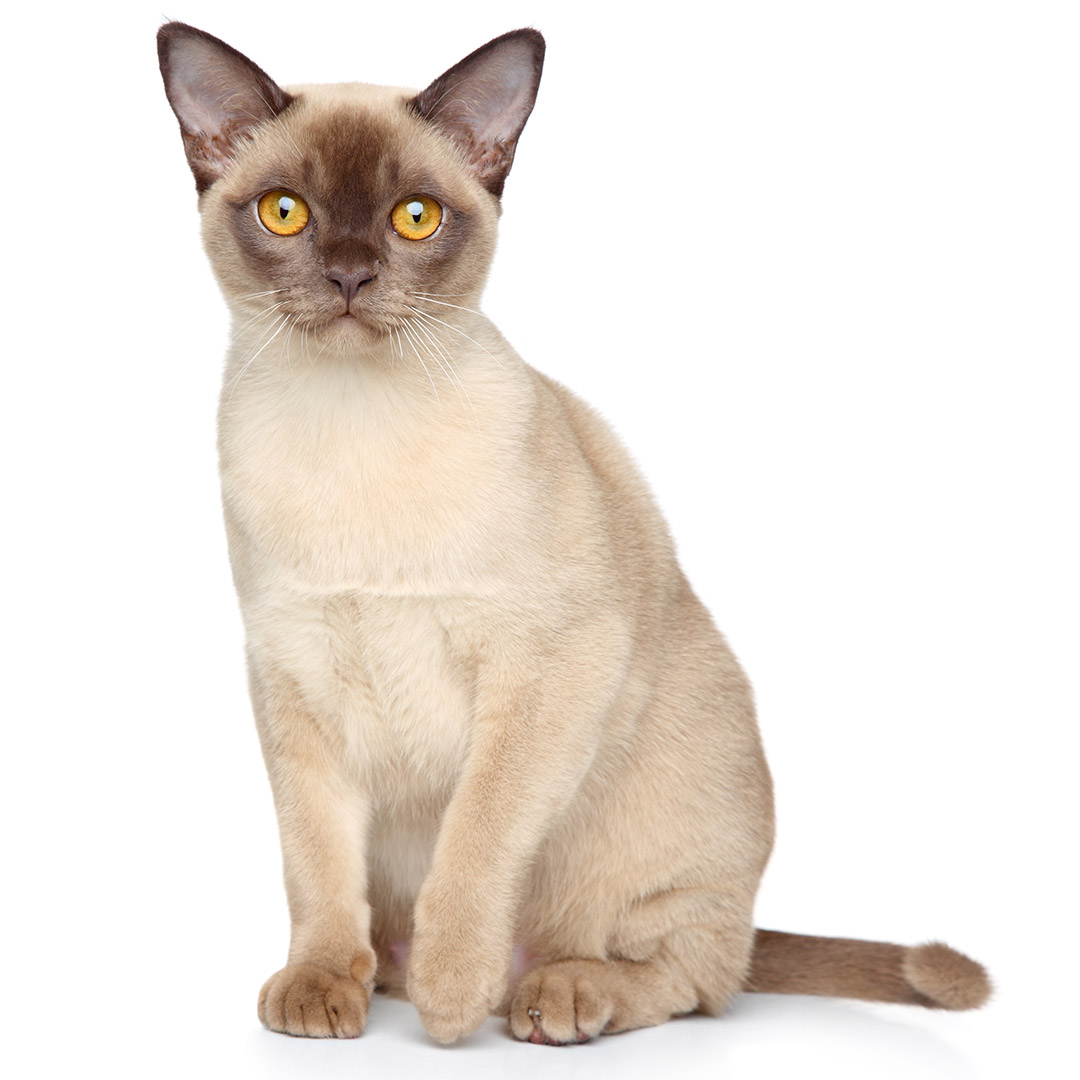
- Short, fine, glossy fur
- Minimal undercoat
- A muscular, compact body
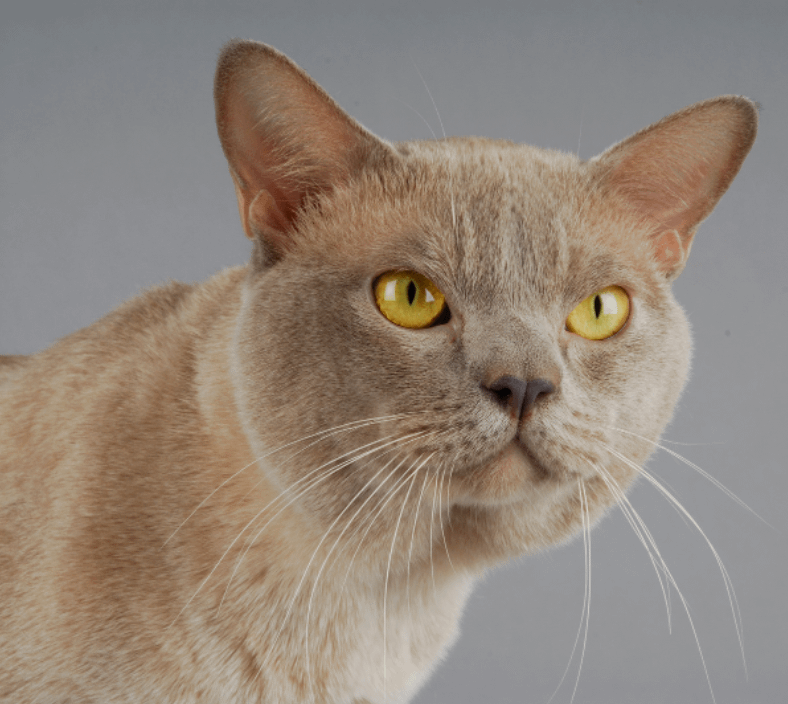
Their coat feels silky and looks almost polished. Popular colours in Australia include:
- Sable (rich dark brown)
- Blue
- Chocolate
- Lilac
Unlike fluffier breeds, their sleek coat gives them a very elegant appearance.
3. Expressive Golden Eyes
One of the defining features of burmese cats is their large, luminous gold or yellow eyes. Their facial expression often looks curious, alert, and affectionate which adds to their charm.
4. Highly Social and Vocal
Burmese cats love interaction. They’re:
- Playful well into adulthood
- Curious about guests
- Comfortable in busy households
They do enjoy “talking,” but they are generally softer and less demanding than breeds like the Siamese cat.
How Much Is a Burmese Cat in Australia?

The price of burmese cats in Australia varies depending on breeder reputation, location, and whether the kitten is pet-quality or show-quality.
Average Price Range (2026)
- Pet-quality Burmese kitten: AUD $1,200 – $2,500
- Show-quality or breeding rights: AUD $3,000+
Prices usually include:
- First vaccinations
- Microchipping
- Desexing (often required for pet homes)
- Health checks
- Pedigree papers
Always choose registered breeders who follow Australian animal welfare standards. Avoid extremely cheap listings, as they may indicate backyard breeding.
Ongoing Costs in Australia
Besides the initial purchase price, you should budget for:
- Quality cat food
- Annual vet visits
- Pet insurance
- Litter and enrichment toys
Because Burmese cats are active and intelligent, investing in scratching posts and climbing furniture is essential.
Do Burmese Cats Have Health Issues?
Like all purebred cats, burmese cats can be predisposed to certain genetic conditions. However, responsible breeding in Australia has significantly reduced many risks.
Common Health Concerns
- Hypokalaemia (low potassium levels)
Can cause muscle weakness but is often screened by reputable breeders. - Diabetes
Burmese cats have a slightly higher risk compared to some other breeds. Maintaining a healthy weight is crucial. - Dental disease
Regular dental care and vet check-ups help prevent issues. - Obesity
Because they love food and attention, portion control is important.
Life Expectancy
Burmese cats are generally healthy and long-lived. Many live:
15–18 years, and some even longer with proper care.
Choosing a registered breeder who performs genetic testing dramatically lowers health risks.
Are Burmese Cats High Maintenance?
The short answer: No but they are emotionally demanding.
Grooming Needs
Good news for busy Australian households:
- Their short coat requires minimal grooming
- Weekly brushing is usually enough
- Shedding is low compared to long-haired breeds
This makes burmese cats relatively low-maintenance in terms of physical care.
Emotional & Social Needs
However, they are not independent cats.
Burmese cats:
- Dislike being left alone for long hours
- Thrive in homes with another cat or attentive owners
- Need daily playtime and interaction
If you work long hours away from home, consider adopting two cats or ensuring someone is home regularly.
Ideal Home Environment
Burmese cats are perfect for:
- Families with children
- Couples working from home
- Indoor-only homes
- Apartments (with enrichment)
They adapt well but must have companionship.
Are Burmese Cats Good for Australian Families?
Absolutely. In Australia, where indoor living is recommended to protect native wildlife, burmese cats are a fantastic choice because they:
- Adjust well to indoor life
- Bond strongly with family members
- Are playful but not destructive
- Enjoy being part of daily routines
They are often described as “forever kittens” because of their playful personality.
Pros and Cons of Burmese Cats
Pros
✔ Extremely affectionate
✔ Low grooming needs
✔ Beautiful glossy coat
✔ Long lifespan
✔ Great with families
Cons
✘ Can develop separation anxiety
✘ May be prone to obesity
✘ Higher initial purchase cost
Are Burmese Cats Worth It?
If you’re looking for a loving, interactive companion that will truly become part of your family, burmese cats are an outstanding choice. They are not high-maintenance in grooming, but they do require emotional connection and companionship. In return, you’ll get a loyal, affectionate cat that will likely stay by your side for many years. For Australian cat lovers wanting a social, intelligent indoor breed, Burmese cats are hard to beat.
Love your Burmese cat’s playful energy? Give them the perfect place to climb, scratch, and lounge. 👉 Read our complete guide to choosing the best cat tree for your home!