Discover the biggest domestic cat breeds, including size, personality, grooming needs, and adoption tips before bringing home a gentle giant.
When it comes to serious cuddles, bigger really can be better. The biggest domestic cat breeds are famous for their impressive size, fluffy coats, and surprisingly gentle personalities. Many of these cats weigh twice as much as the average house cat, stand over a foot tall, and still love curling up beside their humans.
Despite their large frames, most of these oversized cats are known for being affectionate, sociable, and family-friendly. However, size also comes with extra responsibilities from grooming needs to space requirements and long-term costs. Before bringing home one of these gentle giants, here’s everything you need to know about the largest domestic cat breeds and whether they’re right for your home.
What Makes a Cat One of the Biggest Breeds?
A cat is considered a “large” or “giant” breed based on:
- Adult weight and height
- Bone structure and muscle mass
- Overall body length
- Growth rate (many large cats mature slowly)
Some breeds are naturally large due to climate adaptation, while others were selectively bred for size and temperament.
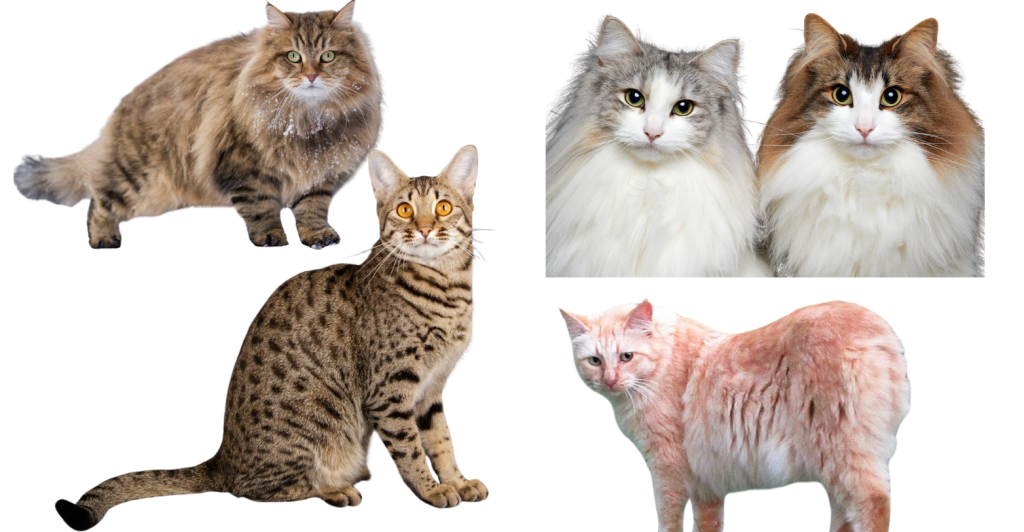
1. Maine Coon
Often called the gentle giant of the cat world, the Maine Coon is one of the most popular and recognisable large cat breeds.
Key traits:
- Friendly, relaxed, and highly social
- Strong, muscular body with a long bushy tail
- Excellent with families and other pets
Size
- Height: 10–16 inches
- Weight: 10–25 pounds
Coat & Care
- Long, thick coat
- Weekly grooming recommended
Life Expectancy: 9–15 years
The Maine Coon is ideal for people who want a large, affectionate, and easy-going cat.
2. Persian
While not the heaviest cat on this list, the Persian earns its place thanks to its dense coat and solid build.
Key traits:
- Calm, quiet, and affectionate
- Prefers relaxed, low-energy households
- Enjoys routine and peaceful environments
Size
- Height: 8–10 inches
- Weight: 7–12 pounds
Coat & Care
- Long, thick coat
- Daily grooming needed
Life Expectancy: 10–18 years
Persians are perfect for owners who value beauty, calmness, and companionship over activity.
3. Siberian
Bred to survive harsh winters, the Siberian is powerful, agile, and highly intelligent.
Key traits:
- Playful and confident
- Social and affectionate
- Often described as “dog-like”
Size
- Height: 9–11 inches
- Weight: 8–17 pounds
Coat & Care
- Triple-layered coat
- Weekly grooming required
Life Expectancy: 11–15 years
This breed suits active households that enjoy interactive and intelligent cats.
4. Ragdoll
Ragdolls are known for their relaxed nature and love of human contact.
Key traits:
- Extremely affectionate
- Gentle and patient
- Enjoy being held and cuddled
Size
- Height: 9–11 inches
- Weight: 8–20 pounds
Coat & Care
- Semi-long coat
- Moderate grooming
Life Expectancy: 12–15 years
Ragdolls are excellent for families, seniors, and anyone wanting a large lap cat.
5. Norwegian Forest Cat
This ancient breed developed naturally in cold climates and is built for climbing and hunting.
Key traits:
- Independent but loyal
- Intelligent and alert
- Enjoys vertical spaces
Size
- Height: 9–12 inches
- Weight: 8–16 pounds
Coat & Care
- Thick double coat
- Regular brushing required
Life Expectancy: 14–16 years
A great match for owners who want a large, natural, and adventurous cat.
6. Savannah
The Savannah is one of the largest and tallest domestic cat breeds.
Key traits:
- Extremely active and intelligent
- Curious and confident
- Not ideal for first-time owners
Size
- Height: 13–15 inches
- Weight: 12–25 pounds
Coat & Care
- Short coat
- Low grooming needs
Life Expectancy: Up to 20 years
Savannah cats require experience, space, and constant stimulation.
7. Bengal
Bengals are muscular, athletic, and full of energy.
Key traits:
- Highly active and vocal
- Loves climbing and interactive play
- Requires mental stimulation
Size
- Height: 8–10 inches
- Weight: 8–15 pounds
Coat & Care
- Short, dense coat
- Easy to maintain
Life Expectancy: 9–15 years
Best for experienced owners who enjoy training and enrichment.
8. Ragamuffin
Closely related to the Ragdoll, the Ragamuffin is large, fluffy, and extremely affectionate.
Key traits:
- Sweet and gentle
- Very tolerant and patient
- Loves attention
Size
- Height: 9–12 inches
- Weight: 10–20 pounds
Coat & Care
- Long, silky coat
- Moderate grooming
Life Expectancy: Up to 17 years
An excellent choice for families wanting a big, cuddly companion.
9. Chausie
Tall, lean, and athletic, the Chausie stands out for its exotic appearance.
Key traits:
- Highly intelligent
- Energetic and playful
- Bonds strongly with family
Size
- Height: 14–18 inches
- Weight: 15–20 pounds
Coat & Care
- Short coat
- Low grooming needs
Life Expectancy: 12–14 years
Chausies need space, stimulation, and experienced handling.
10. American Bobtail
Recognisable by its short tail, this breed is sturdy and muscular.
Key traits:
- Loyal and people-oriented
- Intelligent and adaptable
- Known for emotional sensitivity
Size
- Height: 9–10 inches
- Weight: 7–16 pounds
Coat & Care
- Short or long coat
- Easy to maintain
Life Expectancy: 13–15 years
Great for owners wanting a large cat with strong human bonds.
What to Know Before Adopting a Large Cat Breed
Before choosing one of the biggest domestic cat breeds, consider:
- Space: Larger cats need room to move and climb
- Food costs: Bigger cats eat more
- Grooming: Many have long or dense coats
- Lifespan commitment: Some live 15–20 years
Meeting the cat first is always recommended, as personality depends on early socialisation, not just breed. The biggest domestic cat breeds combine impressive size with loving personalities. If you’re ready for the commitment, these gentle giants can make incredibly rewarding companions.
FAQ
What is the biggest domestic cat breed?
The Maine Coon is generally considered the largest domestic cat breed by weight and body length.
Are big cat breeds good for families?
Yes, many large breeds like Ragdolls, Maine Coons, and Ragamuffins are known for being gentle and family-friendly.
Do large cats need special care?
They often require more food, larger litter boxes, stronger cat furniture, and regular grooming.
Are big cats more aggressive?
No. Most large breeds are known for calm, friendly temperaments when properly socialised.