Understanding Ragdoll Cat Traits
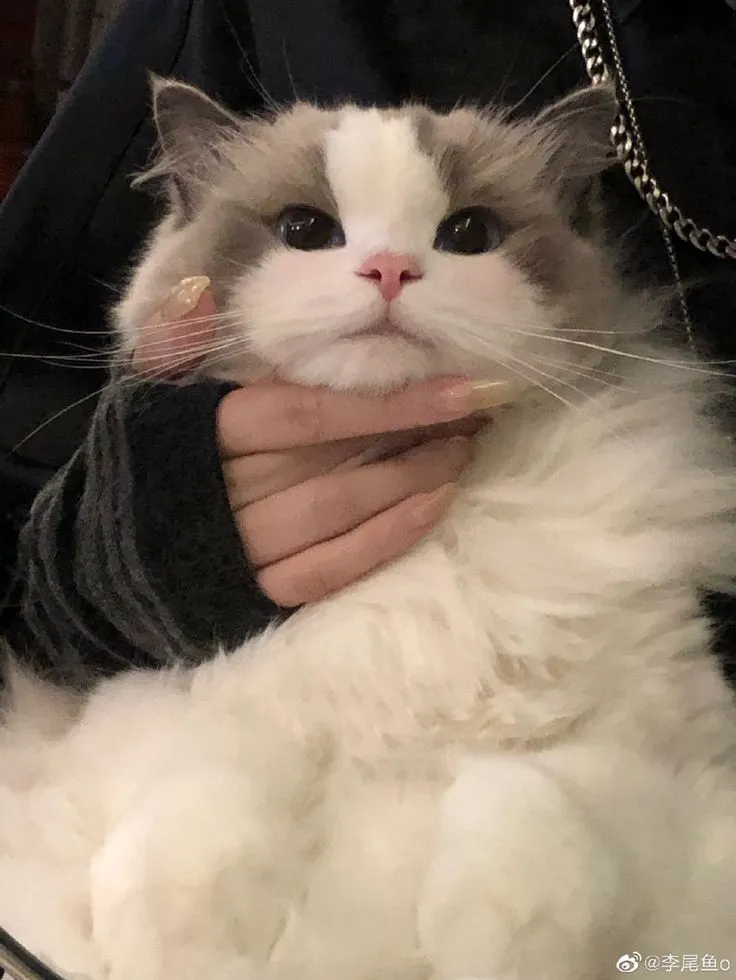
Ragdoll cats are renowned for their placid temperament and striking physical appearance. Characterized by their large frame, semi-long silky coat, and vivid blue eyes, they possess an unmistakable elegance. Behaviorally, Ragdolls are noted for their docility and sociability. They often exhibit a relaxed demeanor, showing little inclination toward aggression or excessive independence. Unlike more aloof breeds, Ragdolls frequently seek human companionship, preferring proximity over solitude. This affable nature makes them particularly well-suited to calm households and families seeking a gentle feline presence.
The Importance of Regular Grooming
Despite their luxuriant coat, Ragdolls require consistent grooming to maintain optimal coat condition. Their fur lacks a dense undercoat, which reduces matting, yet neglect can still lead to tangles and accumulation of debris. Weekly brushing helps distribute natural oils, minimizes shedding, and allows for early detection of skin irregularities. Grooming also serves a secondary purpose: it reinforces trust and routine. A well-groomed Ragdoll not only appears refined but also benefits from improved circulation and reduced hair ingestion.
Nutrition for Ragdolls: Choosing the Right Food
Proper nutrition is foundational to the long-term vitality of a Ragdoll cat. Given their size and relatively slow maturation, a diet rich in high-quality protein is essential to support muscle development and maintenance. Foods should include animal-based proteins as the primary ingredient, supplemented with balanced fats and limited carbohydrates. Avoid overly processed formulations laden with fillers. Portion control is equally critical, as Ragdolls are predisposed to weight gain if overfed. A measured, consistent feeding regimen promotes metabolic stability and overall health.
Signs of a Healthy Ragdoll
A healthy Ragdoll exhibits clear, bright eyes free from discharge, a glossy coat, and steady energy levels without hyperactivity. Appetite should be consistent, and hydration adequate. Their posture is typically relaxed, movements fluid rather than stiff. Behaviorally, a healthy Ragdoll demonstrates curiosity, responsiveness, and a calm engagement with its environment. Subtle changes—such as lethargy, coat dullness, or altered eating habits—may signal underlying concerns and warrant prompt attention.
Common Health Issues in Ragdolls
While generally robust, Ragdolls are susceptible to certain hereditary conditions. Hypertrophic cardiomyopathy is among the most notable, affecting cardiac muscle thickness. Regular veterinary screenings are advisable for early detection. Additionally, urinary tract sensitivities and dental issues may arise without proper care. Preventative measures, including routine check-ups and tailored nutrition, significantly reduce the likelihood of serious complications and contribute to longevity.
The Perfect Environment for Your Ragdoll
Ragdolls thrive in stable, tranquil environments. They are not inclined toward excessive climbing or territorial behavior, yet they appreciate comfortable vantage points and soft resting areas. Indoor living is often preferable, protecting them from external hazards and stressors. Temperature moderation, low noise levels, and predictable routines foster a sense of security. An environment that balances stimulation with serenity aligns well with their composed disposition.
Socializing Your Ragdoll Cat
Early and consistent socialization reinforces the Ragdoll’s naturally amiable temperament. Exposure to various household members, gentle handling, and controlled interactions with other pets cultivate confidence. Ragdolls respond favorably to calm voices and patient engagement. Abrupt or forceful interactions should be avoided, as they may erode trust. Proper socialization results in a cat that is adaptable, affectionate, and emotionally balanced.
Litter Box Training for Ragdolls
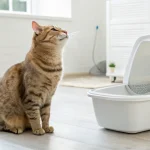
Ragdolls typically adapt quickly to litter box training due to their compliant nature. Cleanliness is paramount; a soiled box may prompt avoidance. Choose a spacious box with low sides for easy access, and place it in a quiet, unobtrusive location. Consistency in litter type and placement reduces confusion. Reinforcement through routine rather than punishment ensures reliable habits.
Fun Playtime Ideas for Ragdolls
Although not excessively energetic, Ragdolls benefit from structured play to maintain physical health and mental acuity. Interactive toys, such as feather wands or slow-moving puzzle feeders, align well with their moderate activity levels. Short, frequent play sessions are preferable to prolonged exertion. Playtime also strengthens the bond between cat and owner, providing both stimulation and companionship.
Training Your Ragdoll: Commands and Tricks
Ragdolls possess a receptive temperament that lends itself to basic training. Simple commands, such as responding to their name or sitting on cue, can be taught through repetition and positive reinforcement. Treats should be used judiciously to avoid overfeeding. Training sessions should remain brief and composed, emphasizing consistency over intensity. With patience, a Ragdoll can learn practical behaviors that enhance daily interaction and mutual understanding.