Explore 15 legal exotic cat breeds with wild looks and unique personalities.⭐⭐⭐⭐⭐ Learn care needs, legality, and what to know before adopting.
Exotic Cat Breeds: Rising Stars in Unique Pet Ownership
Exotic cat breeds are quickly becoming a favorite among cat lovers who want something a little different from the average house cat. With appearances inspired by wild felines and personalities that range from playful to intensely loyal, these cats offer a truly unique companionship experience.
However, owning an exotic-looking cat isn’t just about aesthetics. Many of these breeds require extra care, plenty of stimulation, and most importantly legal verification before adoption. Laws vary by country and even by state, so responsible ownership always begins with research.
Important reminder: Always check your local and national regulations before adopting an exotic or hybrid cat, as ownership laws can change.
15 Exotic Cat Breeds That Make Captivating Companions
1. Bengal Cat – The Leopard Look-Alike
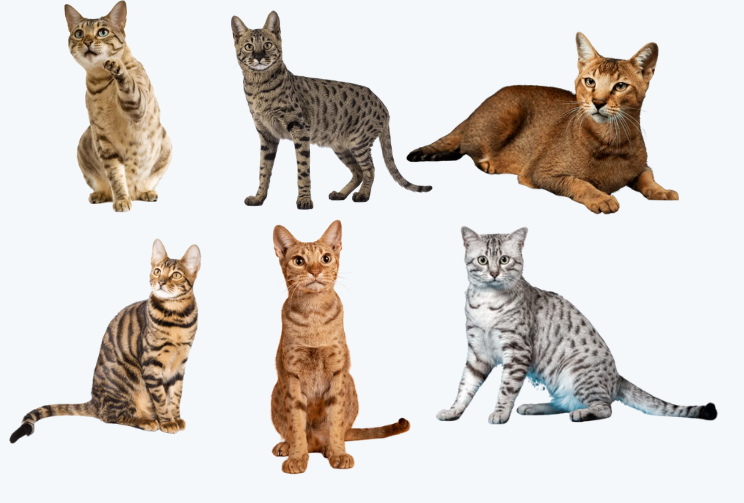
Bengal cats are famous for their striking leopard-like coats and athletic builds. Originally developed in the United States, Bengals are energetic, intelligent, and endlessly curious. These cats thrive on interaction and need daily playtime that mimics hunting behaviors. Puzzle toys, climbing trees, and interactive games are essential to keep a Bengal happy and mentally stimulated.
2. Savannah Cat – The Cheetah Companion
Savannah cats are tall, elegant, and instantly eye-catching, with spotted coats reminiscent of cheetahs. Known for their intelligence and dog-like loyalty, Savannahs often form deep bonds with their owners. Because of their size and energy levels, they require plenty of space and enrichment. They’re best suited for large homes rather than small apartments, and ownership laws should always be checked due to their hybrid background.
3. Chausie – The Jungle Cat Hybrid
Chausies descend from jungle cats and carry a bold, wild appearance paired with a muscular build. They are active, confident, and enjoy human interaction but also value independence. These cats do best with access to outdoor enclosures or secure catios where they can safely explore and burn energy.
4. Toyger – The Miniature Tiger
Toygers were bred to resemble miniature tigers, complete with bold stripes and rich orange coloring. Unlike their wild inspiration, Toygers are gentle, social, and family-friendly. They’re an excellent choice for cat lovers who want an exotic look without the challenges of a hybrid breed.
5. Ocicat – The Spotted Beauty
Inspired by the wild ocelot, the Ocicat has a sleek, spotted coat and a friendly, outgoing personality. Despite their exotic appearance, Ocicats are fully domestic and easy to care for. They love social interaction, making them ideal for families with children or other pets.
6. Egyptian Mau – The Speedy Hunter
The Egyptian Mau is the only domestic cat breed with naturally occurring spots. Known for their agility and speed, these cats can reach up to 30 mph. They are loyal, playful, and vocal with their families, though slightly reserved around strangers.
7. Caracat – The Majestic Hybrid
Caracats are rare hybrids between a Caracal and a domestic cat. With tufted ears and a powerful presence, they are truly breathtaking. These cats are best suited for experienced owners due to their strong instincts and potential legal restrictions.
8. Serengeti Cat – The Graceful Stalker
The Serengeti cat resembles a serval but is entirely domestic. With long legs, large ears, and a spotted coat, they are confident and highly social. They love vertical space and thrive in homes with tall cat trees and climbing shelves.
9. Pixie-Bob – The Bobcat Lookalike
Pixie-Bobs resemble small bobcats with their short tails and muscular builds. Despite their wild appearance, they are affectionate, loyal, and known for dog-like behavior. Many Pixie-Bobs enjoy leash training and supervised outdoor adventures.
10. Abyssinian – The Playful Explorer
One of the oldest known cat breeds, the Abyssinian has a ticked coat that gives it a naturally wild look. These cats are curious, athletic, and constantly on the move. They thrive in interactive households and love being involved in daily activities.
11. Geoffroy’s Cat – The Little Wild One
Native to South America, Geoffroy’s Cat is a true wild species rather than a domestic breed. They require specialized care, large enclosures, and are not suitable for beginners. Ownership may be restricted or prohibited in many areas.
12. Cheetoh Cat – The Super Hybrid
A cross between the Bengal and Ocicat, the Cheetoh combines striking patterns with a gentle, friendly temperament. They are large, social cats that enjoy interactive play and exploration.
13. Peterbald – The Sleek and Sophisticated
Originating in Russia, the Peterbald is known for its hairless or nearly hairless body and elegant frame. These cats are affectionate and people-oriented. Due to their lack of fur, they require warmth, skin care, and regular bathing.
14. Sokoke – The Rare African Cat
The Sokoke is one of the rarest cat breeds in the world, originating from Kenya. With a unique marbled tabby pattern, they are both beautiful and low-maintenance. They are playful, social, and well-suited for families.
15. Fishing Cat Hybrid The Water Lover
Fishing Cat hybrids inherit a love for water from their wild ancestors. With webbed feet and strong hunting instincts, they are unlike any typical house cat. They require experienced ownership, ample enrichment, and water-based activities to stay content.
What to Know Before Adopting an Exotic Cat
Owning an exotic or exotic-looking cat requires preparation and commitment. These cats often need:
- High-protein, species-appropriate diets
- Large, enriched living spaces
- Mental stimulation through puzzles and play
- Veterinarians experienced with exotic or hybrid cats
Without proper care, boredom and behavioral issues can develop quickly.
Legal Considerations: Always Play It Safe
Exotic cat ownership laws vary widely by region. Some breeds require permits, while others may be restricted or banned entirely. Always verify regulations before adoption. Reputable organizations and breed associations are excellent resources for understanding current legal requirements.
A Lifelong Commitment
Choosing an exotic cat is not a casual decision it’s a long-term responsibility. These cats are intelligent, active, and require dedicated care to thrive. Whenever possible, consider adoption from shelters or rescue organizations. Many cats, exotic-looking or not, are waiting for loving homes and deserve a second chance at happiness.
F A Q
Are exotic cats good for families?
Some breeds adapt well to family life, but many are better suited for adults or homes with older children due to high energy levels.
Are exotic cats expensive?
Yes. Costs often include higher purchase prices, specialized diets, enriched enclosures, and exotic veterinary care.
How do I find a responsible breeder?
Look for breeders who provide health records, allow visits, and prioritize animal welfare over profit.